Information
Landmark: Roman BathsCity: Bath
Country: United Kingdom
Continent: Europe
Roman Baths, Bath, United Kingdom, Europe
The Roman Baths is one of the best-preserved ancient religious and bathing complexes in the world. It is centered around Britain’s only naturally occurring hot springs and forms the core of the UNESCO World Heritage site of Bath.
Visual Characteristics
The site is defined by the Great Bath, an open-air pool lined with lead and filled with steaming, mineral-rich green water. The architecture is a high-contrast layering of original 1st-century Roman stonework and 19th-century Neo-Classical additions. The upper terrace is lined with Victorian statues of Roman emperors and governors, overlooking the original Roman level 6 meters below current street height.
Location & Access Logistics
The complex is located at Abbey Churchyard, Bath BA1 1LZ. It is 0.4km north of Bath Spa Railway Station. Entrance is via the ticket office adjacent to Bath Abbey. Entry requires a paid ticket; advance online booking is mandatory due to extreme visitor density. The site is a pedestrianized zone; the nearest public parking is at SouthGate (0.5km).
Historical & Ecological Origin
The Romans built the temple of Sulis Minerva and the bathing complex between 60–70 AD. The water rises at a temperature of 46°C from a depth of nearly 3,000 meters, filtered through limestone. The spring produces 1,170,000 liters of water daily. Following the Roman withdrawal, the site fell into ruin and was progressively buried until its rediscovery and excavation in the late 19th century.
Key Highlights & Activities
The Great Bath: The centerpiece of the complex, still fed by the original thermal springs.
The Sacred Spring: The source of the hot water, where ancient visitors threw over 12,000 Roman coins as offerings to the goddess.
The Roman Temple: Remains of the Temple of Sulis Minerva, including the "Gorgon’s Head" pediment.
The East & West Baths: Detailed ruins of changing rooms (apodyterium), saunas (laconicum), and heated rooms (tepidarium and calidarium) utilizing a hypocaust system.
Costumed Characters: Professional re-enactors based on real people from the site’s history.
Infrastructure & Amenities
The facility includes a gift shop specializing in Roman replicas and local crafts. The Pump Room restaurant is adjacent, offering high-status dining and afternoon tea. Public restrooms are available. 5G signal is excellent at ground level but limited in the subterranean Roman galleries. Approximately 90% of the site is wheelchair accessible via modern lifts and ramps.
Best Time to Visit
The site is open daily from 09:00 to 18:00 (winter) and until 22:00 (summer). To avoid peak density, book the first slot of the day or an evening slot during summer months. The steam from the water is most visually effective in cold morning air.
Facts & Legends
A local historical detail is that the water is green due to algae growth caused by modern sunlight; in Roman times, the pool was roofed and the water remained clear. A specific tip: You can taste the spa water (rich in 43 minerals) from a dedicated drinking fountain at the end of the tour.
Nearby Landmarks
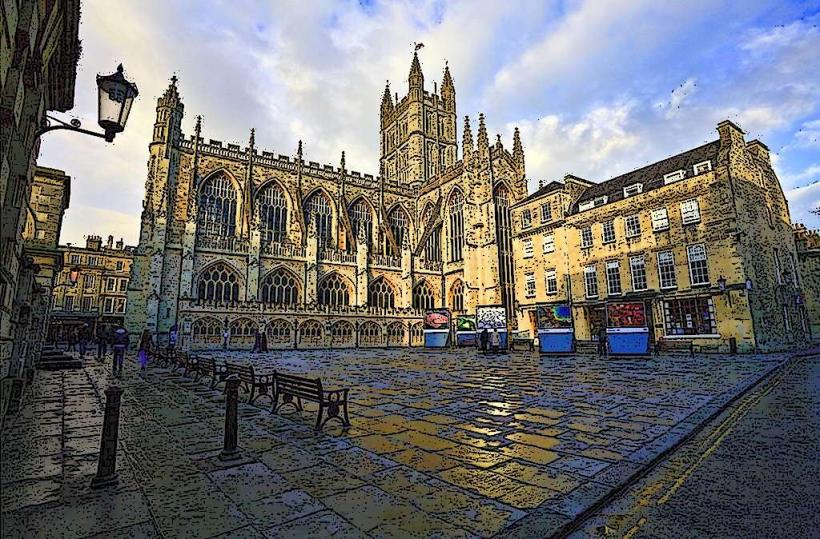
Bath Abbey – 0.05km East (Adjacent)
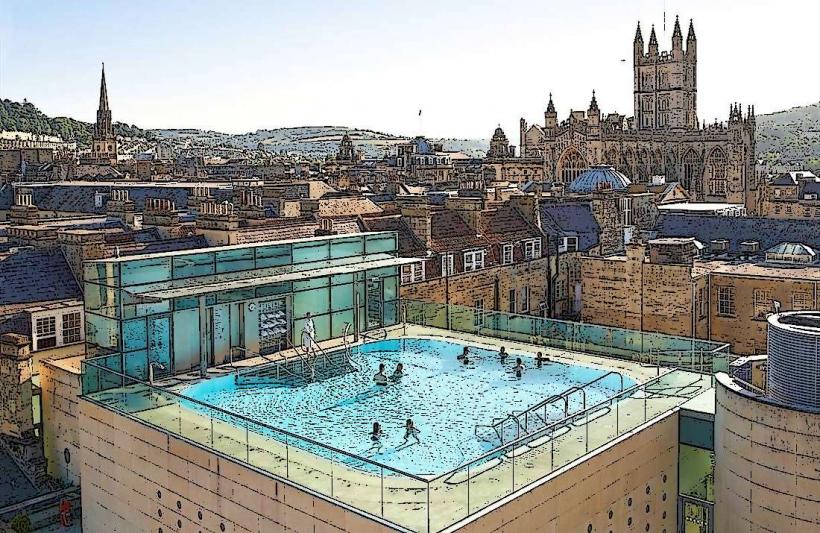
Thermae Bath Spa – 0.2km West (For actual thermal bathing)
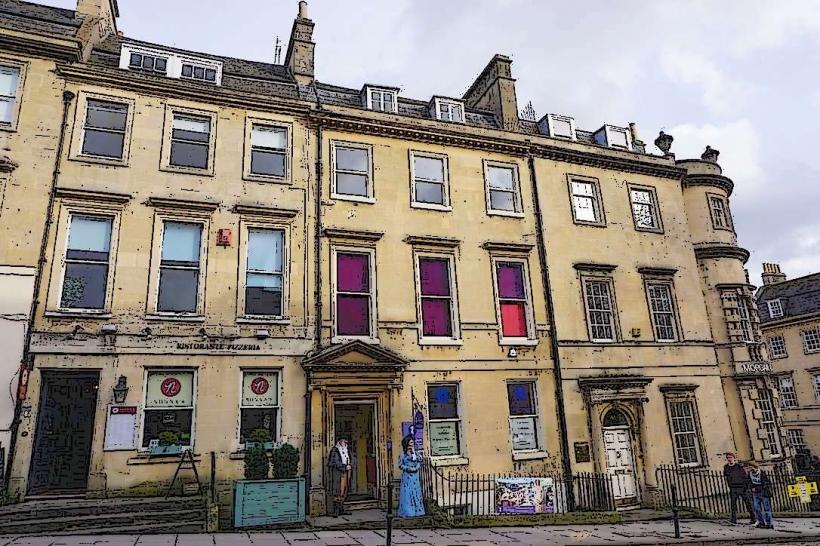
The Jane Austen Centre – 0.5km Northwest
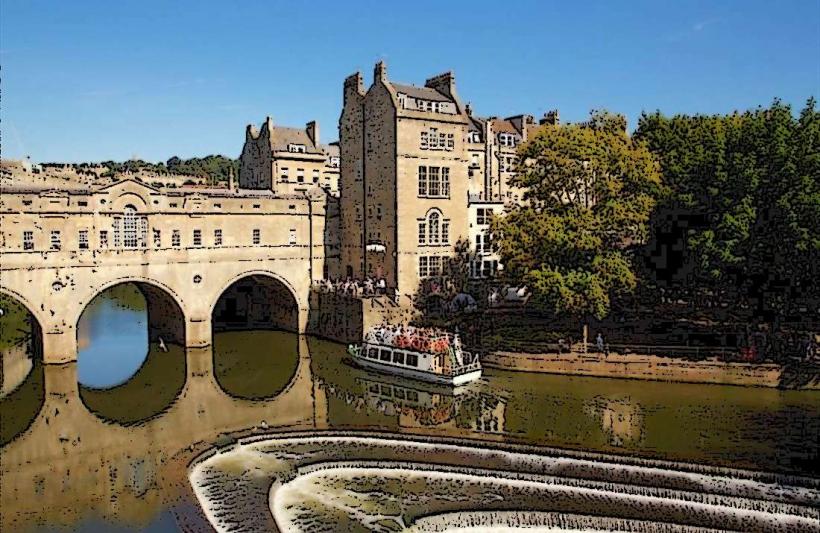
Pulteney Bridge – 0.3km Northeast
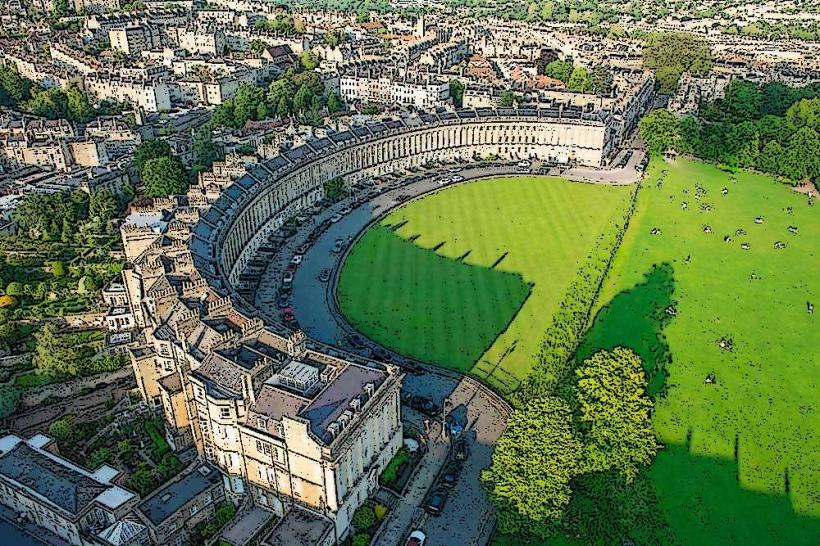
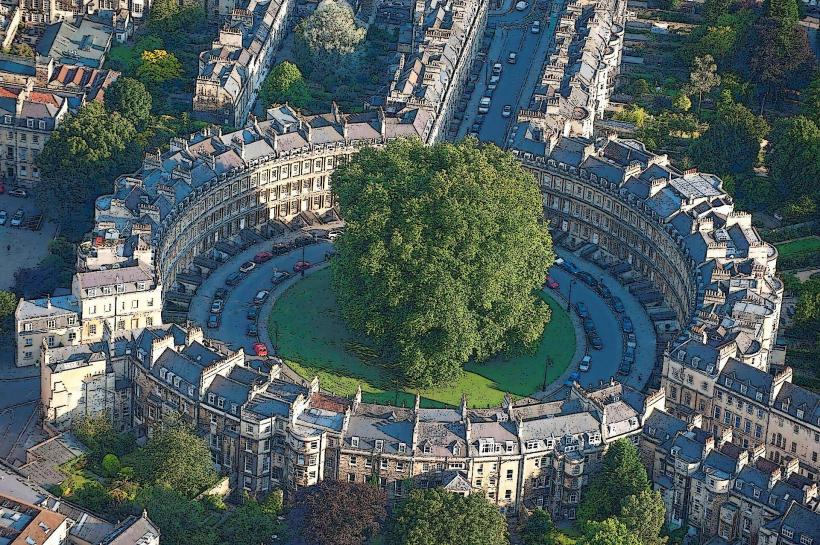
The Royal Crescent – 1.0km Northwest